5 hr
Palermo Cooking Class with Market Tour or Pasta & Gelato Workshop
Learn Sicilian cooking techniques with local chefs—choose market-to-table class or pasta workshop
Reserve
From morning market stalls to your own table, learn centuries of island flavor
Hand-picked by our editors — only the best 5 experiences from 47 reviewed.
Verified partners for every tour, free cancellation where available, and instant confirmation on every booking.
5 hr
Learn Sicilian cooking techniques with local chefs—choose market-to-table class or pasta workshop
Reserve
3 hr
Learn authentic Italian cooking techniques with local chefs—choose pasta-making or a full Sicilian feast
Reserve
2 hr 30 min
Master Italian classics in a traditional Sicilian restaurant steps from Quattro Canti
ReservePrices from verified partners. Availability updates in real time at checkout. Free cancellation policies apply where shown.
The landmarks, rooms, and views travelers on this tour remember — all visible on a single visit.
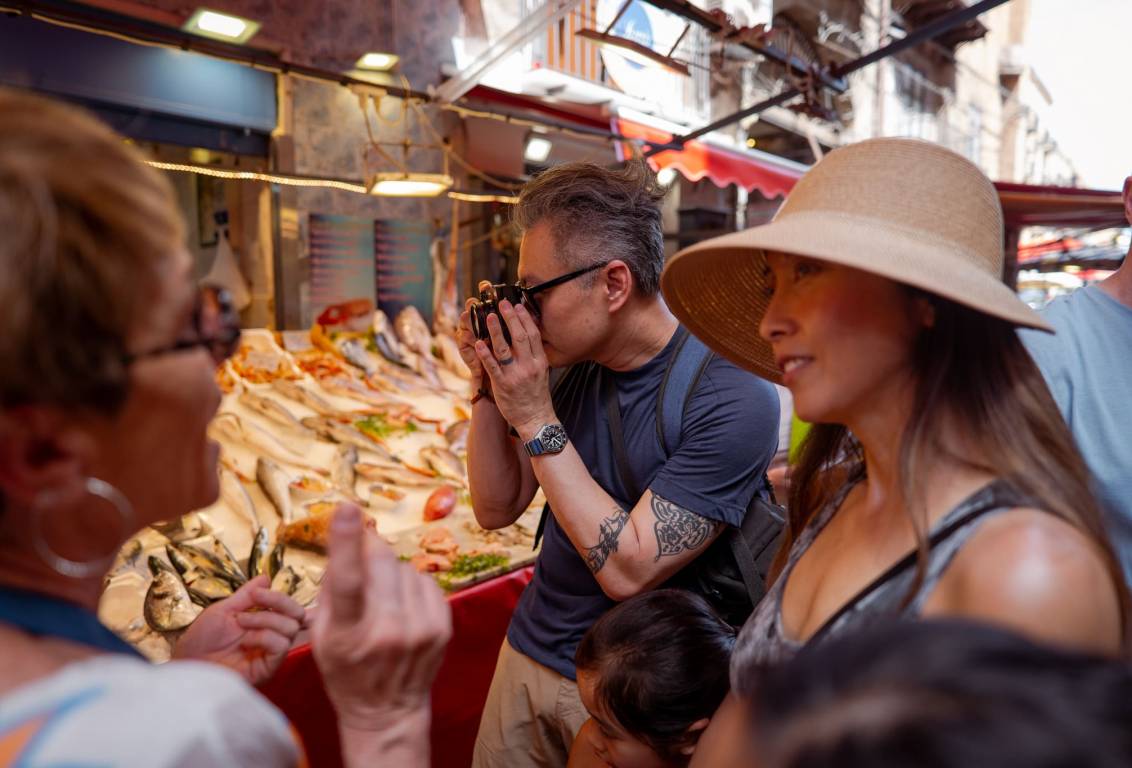
This historic market is the heart of the culinary experience, offering fresh seafood, spices, and local produce.
Traditional Pasta Kitchen
Sicilian Citrus Display
Antique Market Gates
Artisan Cheese Counter
The cooking class provides a hands-on culinary education, whereas the walking tour serves as an efficient way to sample local delicacies. Visitors seeking deep cultural immersion should prioritize the palermo cooking class and market tour, while those focused on quick discovery prefer the street food route.
| Feature | Top pick Cooking Class & Market Tour | Street Food Walking Tour |
|---|---|---|
Experience Type |
Interactive Workshop | Guided Tasting Walk |
Engagement Level |
High participation | Observational focus |
Skills Learned |
Traditional Sicilian recipes | Cultural culinary history |
Time Commitment |
4–5 hours | 2–3 hours |
Main Outcome |
Full meal preparation | Varied snack sampling |
Primary Audience |
Home cooks and foodies | Sightseers and hurried travelers |
| See tickets → |
Verdict: Choose the palermo cooking class and market tour tickets for a deep dive into Sicilian heritage, or select the street food walking tour for a broader overview of the city's flavors.
Choose your ticket, select your date, and reserve in under two minutes. Secure checkout handled by our verified partner.
Instant confirmation by email, with a mobile voucher you can save offline. No printing, no queuing at a collection desk.
Arrive at the entrance, show your voucher on your phone, and walk in. Most tickets include priority or skip-the-line access.
Best time to go, insider tips, nearby landmarks, and the cancellation fine print — flip through to skim what matters to you.
How crowds, weather, and events shift across the year.
Mild temperatures and vibrant produce make this an ideal time for a palermo cooking class and market tour.
Expect warmer weather and peak crowds; book morning sessions to avoid the midday heat.
Cooler mornings and harvest season offer a unique selection of ingredients.
Markets are quieter, providing a more intimate experience for your food tour.
Small details that turn a good visit into a great one.
The best arrival window is 09:00–10:00 to see the market at its most active phase.
Wear comfortable shoes to navigate the historic streets.
Always ask vendors for permission before taking photographs.
Inform your guide of any allergies at least 24 hours in advance.
Check live availability for your palermo cooking class and market tour dates.
Non-bookable sights within a short walk — free to visit, easy to pair.
One of the largest opera houses in Europe with grand architecture.
A complex structure featuring multiple architectural styles.
Famous Baroque square at the intersection of major streets.
A magnificent 16th-century fountain known for its statues.
Flexible, no hidden fees.
Cancellation policies depend on the specific tour provider. Most operators allow full refunds if cancelled at least 48 hours prior to the scheduled palermo cooking class and market tour.
Hand-picked options within walking distance — pick a district for vibe, or a specific hotel for convenience.
Elegant hotel with classic Sicilian design.
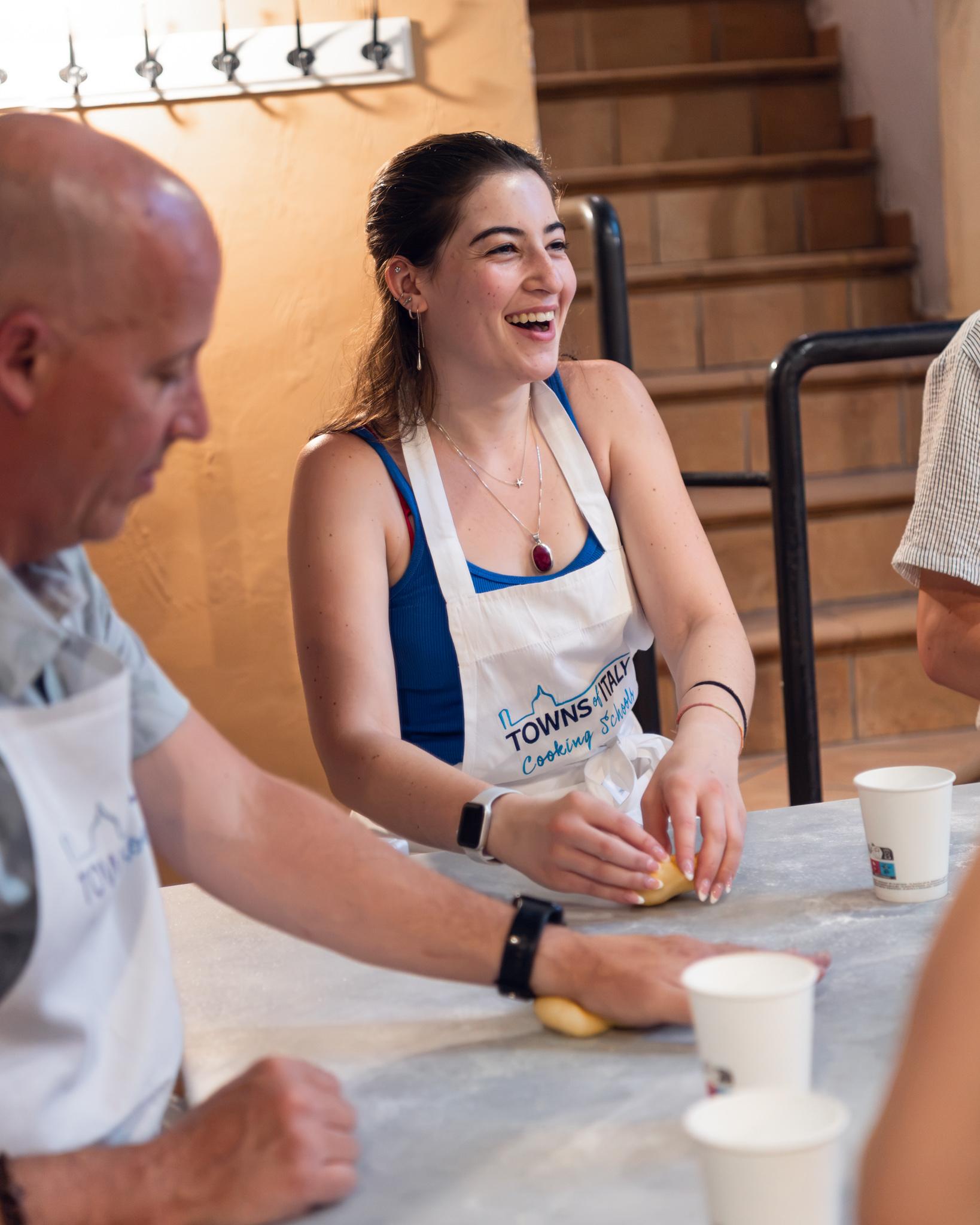
Palermo's Mercato del Capo has anchored the city's northwestern quarter since the eleventh century, when Arab traders first established stalls between Via Porta Carini and Via Volturno. Today its 400-metre corridor remains Sicily's most intact example of a medieval souk, with vendors calling prices in a hybrid Sicilian-Arabic dialect and selling swordfish, blood oranges, caciocavallo cheese, and wild fennel foraged from Monte Pellegrino's slopes. The architecture overhead tells the market's layered history: Norman arches frame Baroque balconies, while Spanish-era ironwork supports awnings that shelter octopus sellers and pasta vendors whose families have occupied the same stalls for five generations. The culinary traditions sold here predate modern Italy by centuries. Arancini—fried rice balls filled with ragù or spinach—arrived with tenth-century Arab settlers who introduced citrus, saffron, and the technique of stuffing vegetables. Pasta con le sarde, the island's signature dish, combines wild fennel, sardines, pine nuts, and raisins in proportions documented in fifteenth-century monastery records. Cassata, the ricotta-and-marzipan cake now ubiquitous at Sicilian weddings, was perfected by cloistered nuns in the Convento della Martorana three blocks from the market. Street food here is not tourist spectacle but working-class infrastructure: panelle (chickpea fritters), sfincione (thick-crust pizza topped with anchovies and breadcrumbs), and pani ca' meusa (veal spleen sandwiches) sustained dock workers, fishermen, and market porters through twelve-hour shifts. Palermo cooking class and market tour experiences translate this edible archive into participant knowledge. Workshops begin at the market's northern entrance, where instructors—often third-generation vendors or retired trattoria chefs—guide small groups through ingredient selection: choosing firm-fleshed tomatoes for salsa, testing capers for salt content, distinguishing Trapani sea salt from Marsala flake salt by grain size. The cooking component unfolds in restored eighteenth-century kitchens or family apartments within five minutes' walk, preserving the market-to-stove rhythm that defines Sicilian home cooking. Participants work with hand-crank pasta machines, marble gelato paddles, and wood-fired ovens, learning techniques—kneading dough until it achieves "ear-lobe softness," folding cannoli shells at precise angles—that Palermo's nonnas consider non-negotiable. The meal that follows is never ceremonial; it replicates the multi-course, midday pranzo that remains Sicily's primary social and nutritional event, complete with local Nero d'Avola wine and the expectation that every plate will be scraped clean. These sessions operate year-round, adapting to what the season yields. Spring workshops feature fava beans and artichokes; summer classes center on eggplant caponata and almond granita; autumn brings porcini and chestnuts; winter highlights blood oranges and fennel. The Palermo cooking class and market tour model serves both preservation and transmission, ensuring that dishes which survived Arab, Norman, Spanish, and Bourbon rule continue into a generation more familiar with Sicilian food as Instagram content than daily practice.
"The meal that follows replicates the multi-course pranzo that remains Sicily's primary social event, complete with local wine and the expectation that every plate will be scraped clean."
Yes, secure your palermo cooking class and market tour tickets online to guarantee your spot.
Always disclose allergies when booking your palermo cooking class and market tour.
Photography is allowed, but please be respectful of vendors during your palermo cooking class and market tour.
Cancellations for your palermo cooking class and market tour are subject to the operator's individual refund policy.